Candy Rain 7
Read the target before the colours. Candy Rain 7 uses a familiar matching board, but the interesting decision is whether a possible combination helps the current level or simply clears something that happened to catch your eye. The candy theme makes it easy to approach. Getting into the habit of checking the objective gives that familiarity a purpose.
Source ↗ GameDistribution · opens a new tab YOUR NEXT
DETOUR ↗
Target first. Combination second.
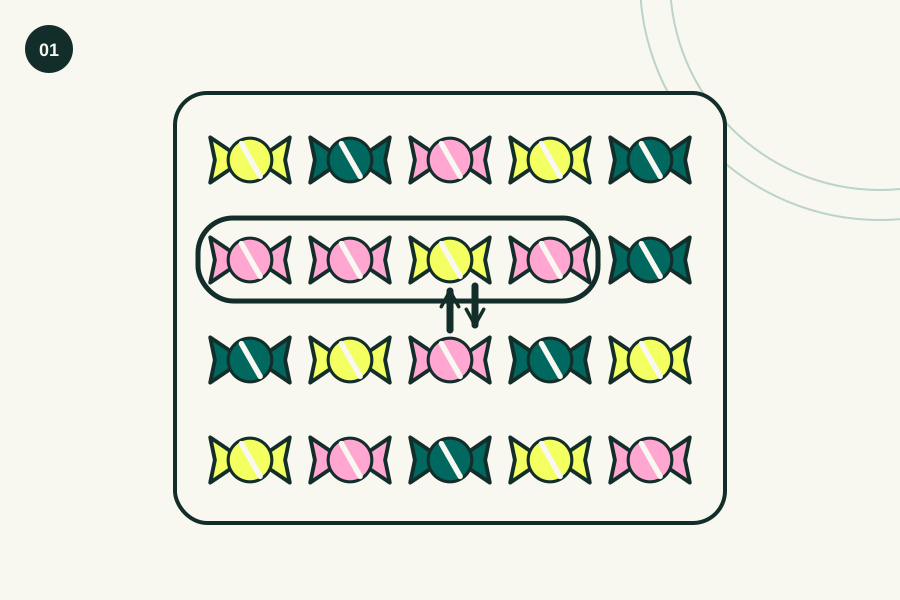
A match is not automatically progress. Before making the first obvious move, compare it with another part of the board and ask which choice brings the current objective closer rather than merely producing the biggest-looking burst.
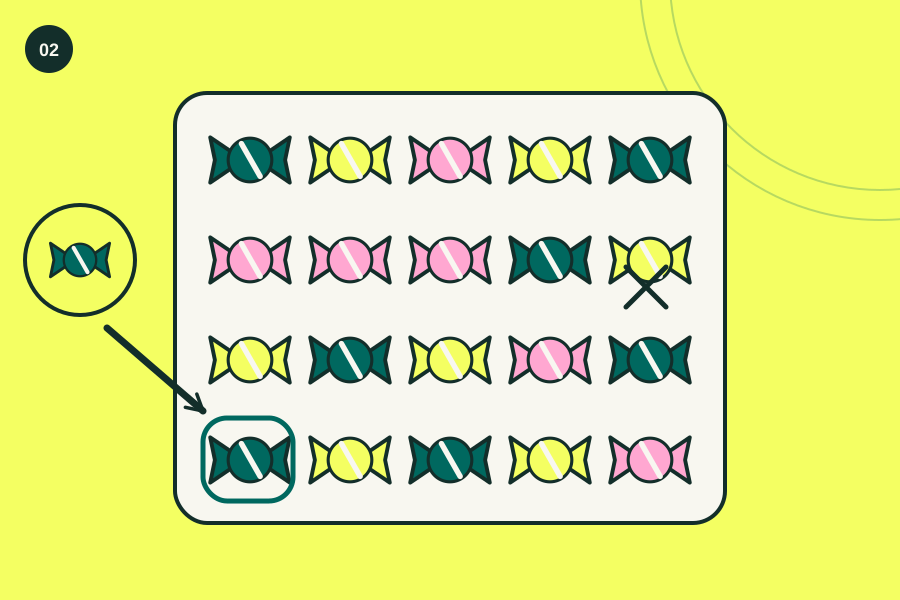
- 01Check what the level asks you to collect or clear.
- 02Find a match that helps that target.
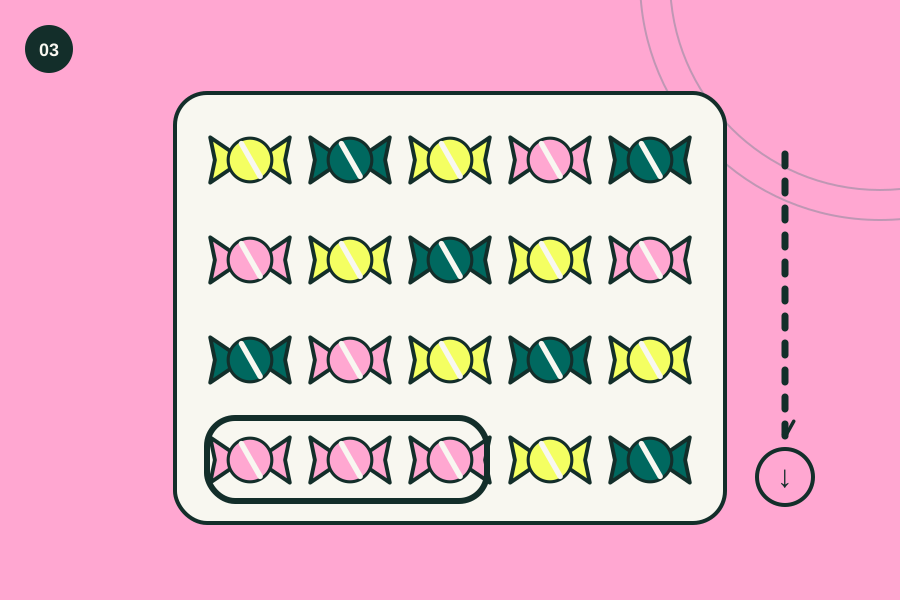
- 03Let the board finish changing before choosing again.
 Editorial illustration · enlarge ↗
A comfortable choice with room for better decisions
We'd pick Candy Rain 7 for a player who already understands matching games and wants the pleasure of making a slightly better choice, without first learning a new control scheme or a large character roster. Familiarity cuts both ways. If rearranging another candy board already sounds repetitive, its theme alone probably won't change your mind.
Before you settle in
This is a browser game distributed by GameDistribution, whose listing names SOFTGAMES as the publisher and confirms mobile web compatibility, so you can consider it for either a mouse or a touch-screen session. Use the linked game area.
The objective decides what matters
Start at the edge of the board. Look at the level's target display before studying individual candies, because a colourful combination somewhere else can look productive while leaving the thing you actually need untouched. You don't need to calculate every possible outcome. It is enough to compare two plausible moves and explain why one is more relevant to the target.
Look at what a match will disturb
A combination changes more than the pieces you first noticed, since clearing part of a matching board can also move the pieces around it and make your carefully spotted follow-up disappear. Recheck after the movement stops. As an editorial practice exercise, compare a match near the bottom with one higher up and watch how much of the board each choice changes.
Give a booster a specific job
Save it for an actual problem. The game includes boosters, but using one because the board feels annoying teaches you less than deciding which remaining target or awkward area you want it to address. Read the booster description first. Its value comes from the problem it solves in that position, not from saving every available tool forever or spending them all immediately.
A small control cheat sheet.
- Mouse / touch
- Choose and move candies using the opening tutorial
- Level target
- Check the current goal before making a match
- Booster controls
- Read the effect before using an available helper
When a try goes sideways.
Making the first visible combination
Compare one alternative first. If a match clears candies far from the current objective while another move reaches the relevant area, the second choice deserves a look even when the first one feels easier to notice.
Planning on a board that is still moving
The layout you are studying can change while a combination resolves, so committing to a follow-up too early may send your attention towards a gap that no longer exists when you act. Let it settle first.
Using a helper without reading its effect
Name the problem before spending. When you can say which remaining target or blocked area needs help, the booster description becomes useful information instead of a button you press simply to see what happens.
See the idea, then try it.
Is this your kind of game?
Choose it for a familiar puzzle rhythm. It fits players who like comparing a few visible options and finishing a level before stopping, especially when a reflex-heavy arcade game would make the break feel too demanding.
The bit to keep in mind
Don't expect a brand-new genre. The attraction here is the level-by-level matching routine, and our recommendation depends on enjoying that routine rather than on a promise that every stage introduces an entirely different idea. The platform can show advertising, and the source doesn't promise that progress will follow you to another device.
Still wondering?
Do I need to play the earlier Candy Rain games?
The published listing presents this as a playable matching game in its own right, with its own levels and map, rather than a chapter that asks you to import a save from an earlier title. Start with its tutorial.
Are bigger matches always better?
Judge them against the current objective. A large combination can look satisfying while doing little for the area or item you still need, so compare its actual result with a smaller but more relevant option.
Will my progress follow me to another device?
The source doesn't promise cross-device saves, so don't assume a run on your phone will appear automatically when you open the game on a computer, especially after clearing browser data or changing browsers. Check the game's own save options.